
Flag of Grenada
🇬🇩
Flag Meaning
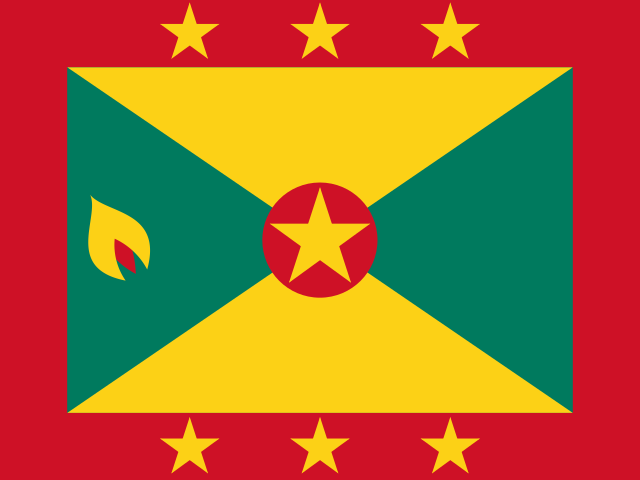
The flag of Grenada represents the identity of the nation through vibrant geometric patterns and agricultural symbols. A central nutmeg pod highlights the status of the country as a premier spice producer while seven stars denote the administrative parishes that comprise the island territory.
Colors & Symbols
Red signifies the courage and vitality of the people along with their commitment to unity and harmony. Yellow represents the wisdom of the citizens and the warmth of the Caribbean sun while green symbolizes the lush vegetation and fertile agricultural lands.
Adopted 1974
Proportions 3 to 5
Download

Country Statistics
Capital St. George's
Population 109K
Region Americas
ISO-2 GD
Flag History
Before independence the nation utilized British ensigns featuring colonial badges such as sugar mills and sailing ships. A transitional tricolor design was used during the period of associated statehood before the current version was officially raised at the moment of independence in 1974.
Frequently Asked Questions
Grenada's current flag was officially adopted on 1974.
Grenada's flag has an official proportion of 3 to 5.
The nutmeg reflects the reputation of the island as the Isle of Spice and its historic role as a leading global producer of the spice.
There are seven stars in total with six located on the red border representing the main parishes and one central star representing the capital.
The design was created by local artist Anthony C. George as part of a national competition held before independence.