

Flag of Martinique
🇲🇶
Flag Meaning
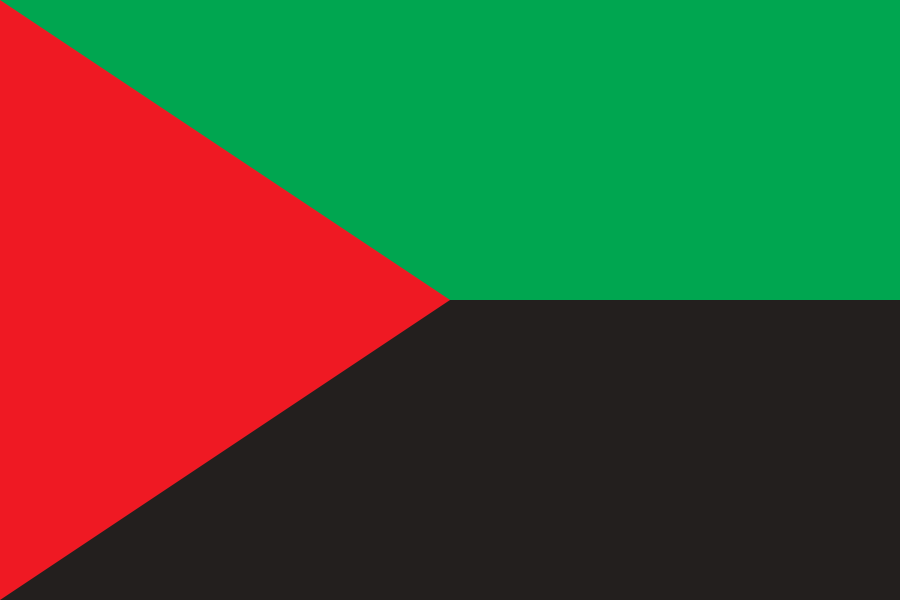
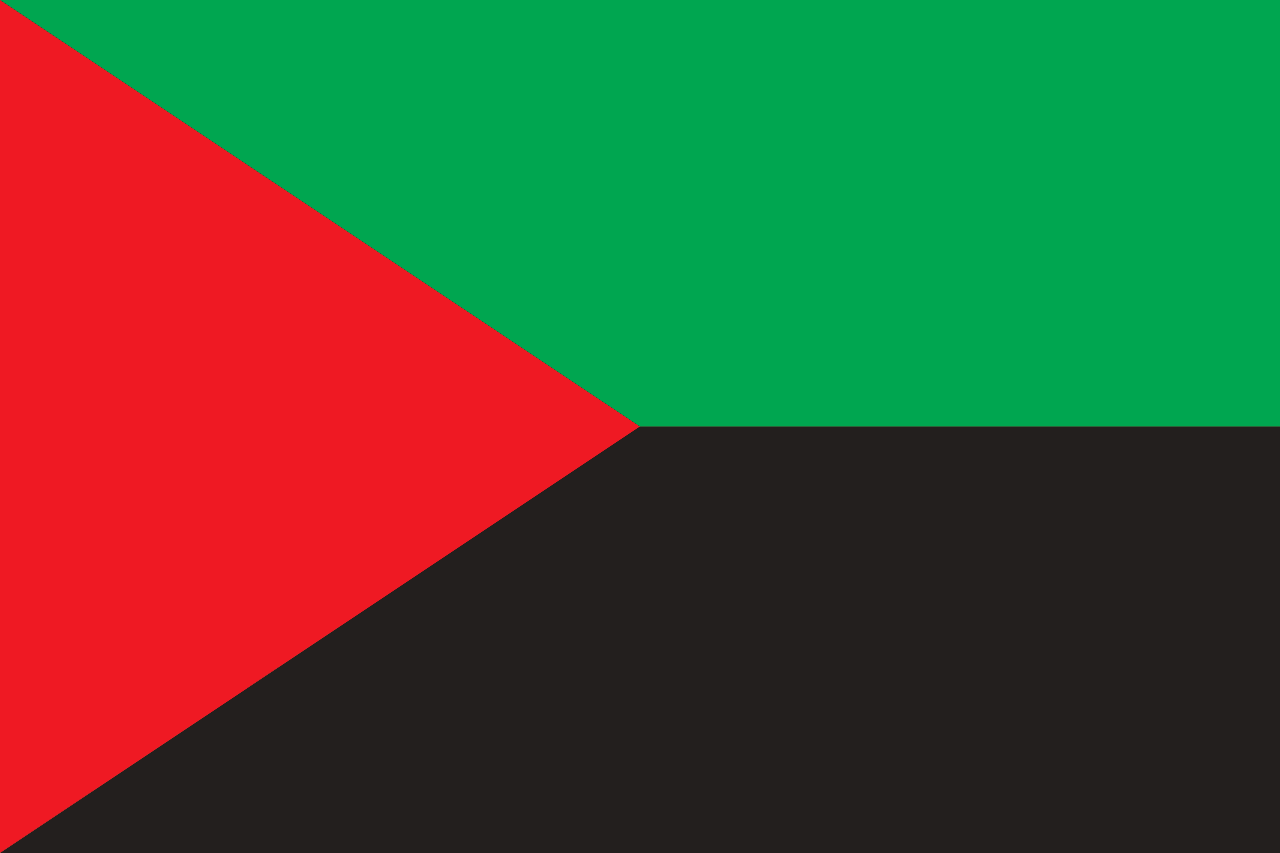
The flag of Martinique is a powerful emblem of the island's regional identity and its long history of resistance against oppression. It serves as a unifying symbol for the territory's diverse population and reflects their collective aspirations for cultural recognition and self determination. The design is intended to honor the memory of the ancestors while looking forward to a future of unity and social justice.
Colors & Symbols
Red represents the blood shed by the ancestors in their fight for freedom and the volcanic energy of the island. Green signifies the lush tropical vegetation and the hope for a fertile and prosperous future. Black symbolizes the African heritage of the majority of the population and the historical strength required to overcome past challenges.
Adopted 2023
Proportions 2 to 3
Download
Country Statistics
Capital Fort-de-France
Population 349.9K
Region Americas
ISO-2 MQ
Flag History
For several centuries, the island was unofficially represented by a blue ensign featuring four white snakes, a design that originated from a colonial decree in 1766. Due to its associations with the era of the slave trade, this emblem became increasingly controversial and was eventually discarded in favor of more representative symbols. The current red, green, and black design emerged from political movements in the middle of the twentieth century and was officially recognized by the local assembly in early 2023.
Frequently Asked Questions
Martinique's current flag was officially adopted on 2023.
Martinique's flag has an official proportion of 2 to 3.
The snake flag was replaced because it was widely viewed as a colonial symbol associated with the period of the transatlantic slave trade.
Yes, as an overseas department of France, the French national tricolor remains the official state flag for government buildings and formal state ceremonies.
The design was originally created by activists during the late nineteen sixties and has long been used by independence and cultural movements on the island.
The local government formally adopted the red, green, and black tricolor as the official territorial flag in early 2023 after a public consultation.