
Flag of South Sudan
🇸🇸
Flag Meaning
The flag of South Sudan serves as a powerful symbol of the nation's long struggle for independence and its hopes for a prosperous future. It incorporates elements that honor the identity of the people, their historical sacrifices, and the natural abundance of the land. The design reflects a collective identity forged through decades of conflict and the eventual achievement of sovereignty.
Colors & Symbols
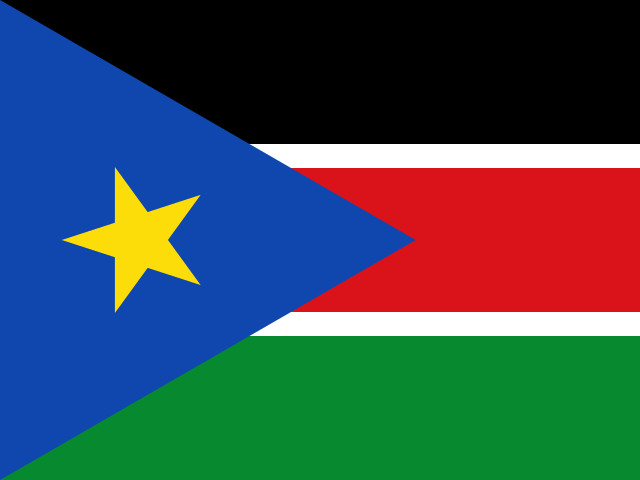
Black represents the South Sudanese people, while red symbolizes the blood shed during the liberation struggle. Green signifies the nation's agricultural potential and natural wealth, and white stripes represent the peace achieved after years of conflict. The blue triangle stands for the Nile River, and the gold star represents the unity and determination of the citizens.
Adopted 2011
Proportions 1:2
Download
Country Statistics
Capital Juba
Population 16M
Region Africa
ISO-2 SS
Neighboring Flags
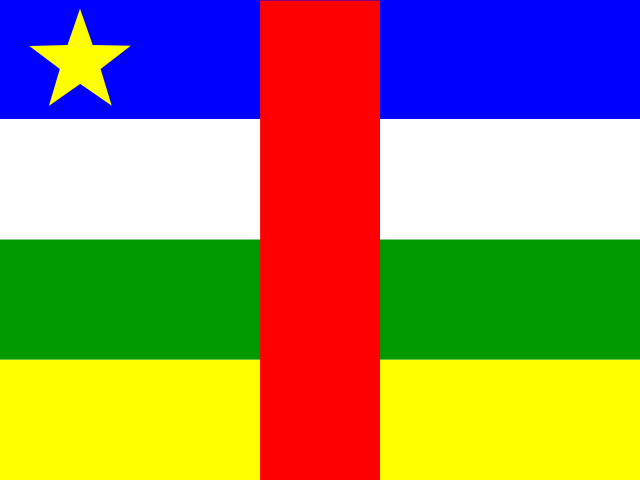
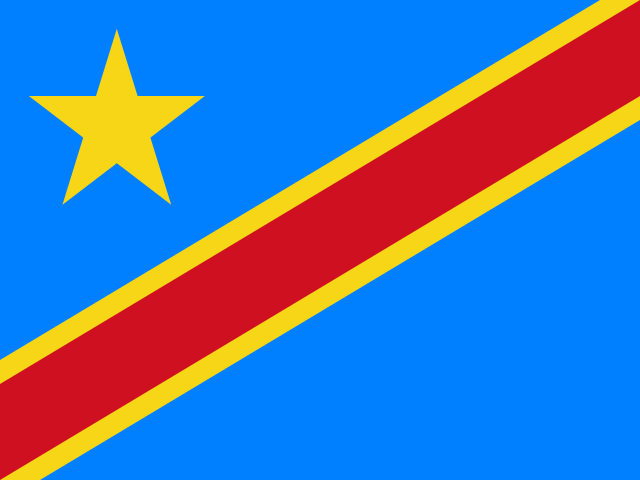
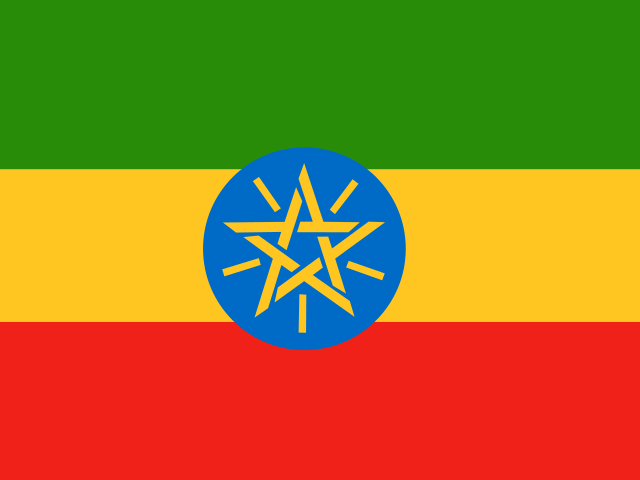
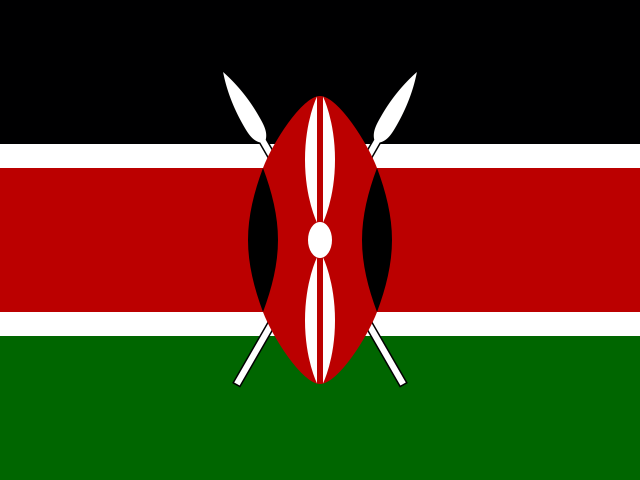

Flag History
The design was originally used by the Sudan People's Liberation Movement during the civil war before being officially adopted upon national independence. It shares a striking resemblance to the flag of Kenya, which served as an inspiration for the liberation movement's leadership during their struggle. The flag transitioned from a revolutionary symbol to a national emblem without any major design changes.
Frequently Asked Questions
South Sudan's current flag was officially adopted on 2011.
South Sudan's flag has an official proportion of 1:2.
The gold star, often referred to as the Star of Bethlehem, represents the unity of the states and the hope and determination of the people for a better future.
The design was influenced by the Kenyan flag because the Sudan People's Liberation Movement admired Kenya's path to independence and its pan-African symbolism.
The blue triangle located at the hoist represents the waters of the Nile River, which is the lifeblood and a primary resource for the country.
The flag used by the autonomous government since 2005 was officially retained as the national flag when the country gained full sovereignty in 2011.