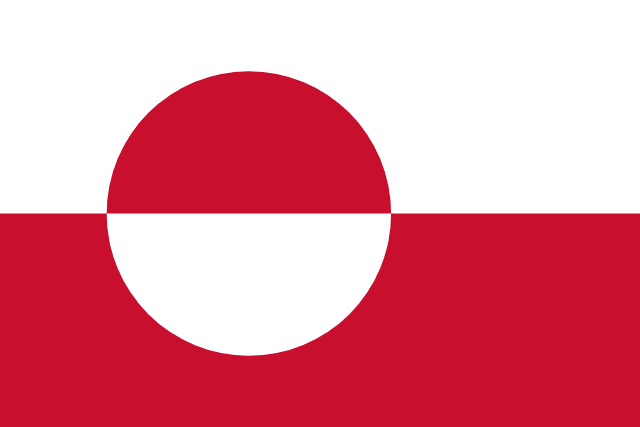
Flag of Greenland
🇬🇱
Flag Meaning
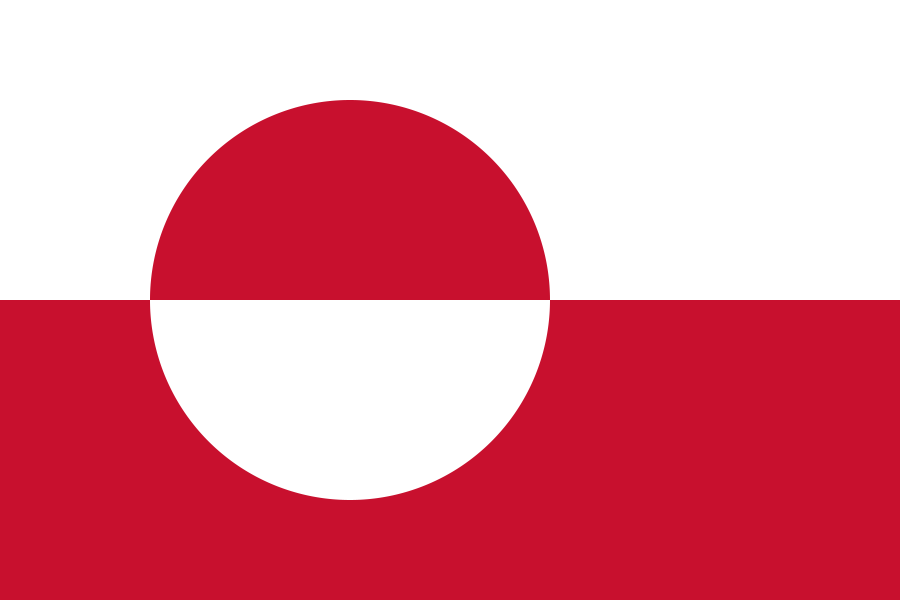
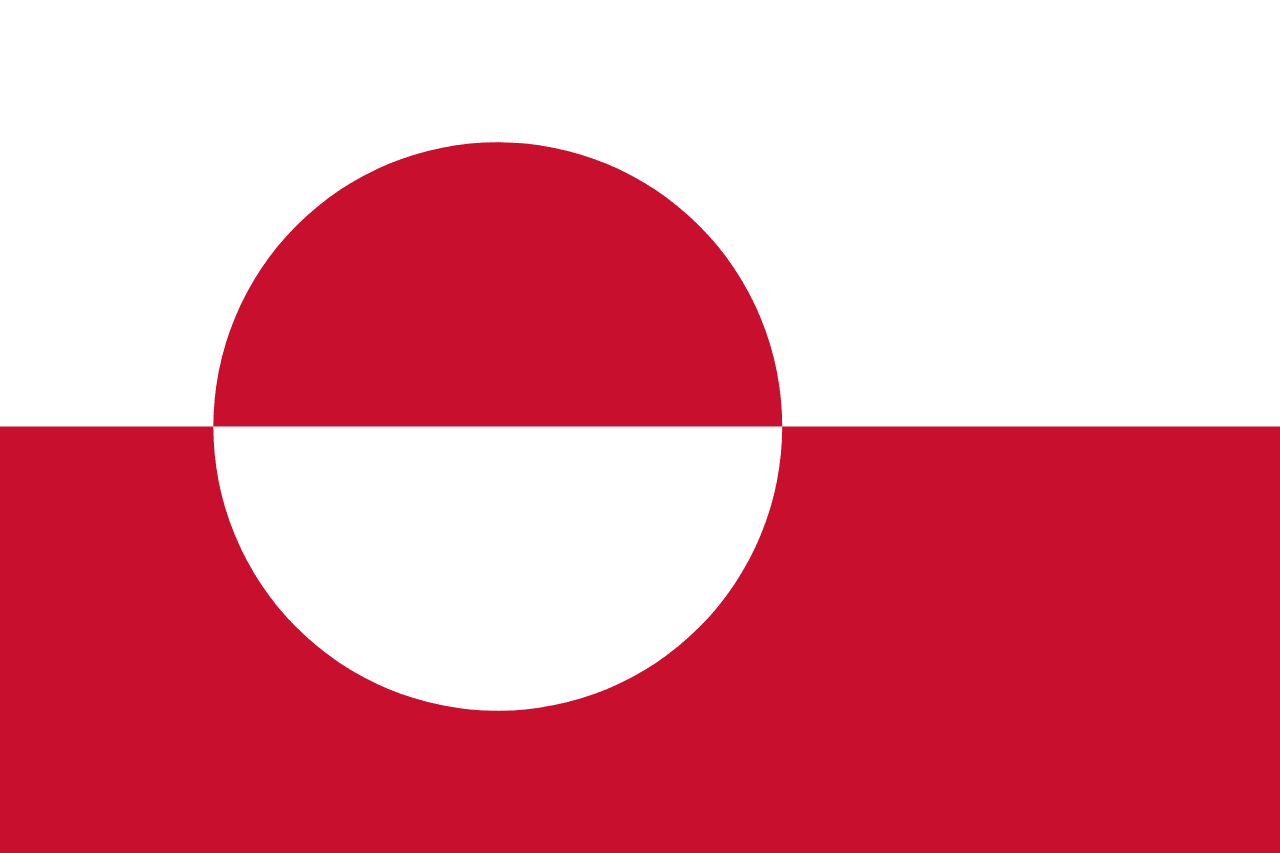
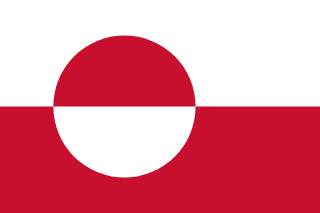
The flag features a central disk that symbolizes the sun rising over the horizon, representing the return of light and heat to the Arctic landscape. The white half of this circle stands for icebergs and pack ice, while the red half represents the deep fjords found along the coast. Overall, the design reflects the natural beauty and the cyclical nature of light in the far north.
Colors & Symbols
The colors red and white were chosen to maintain a symbolic link with Denmark while creating a distinct identity for Greenland. The white stripe represents the glaciers and the vast inland ice sheet that covers the majority of the island. The red stripe signifies the ocean, and the red within the circle represents the sun, a vital element in a region with long polar nights.
Adopted 1985
Proportions 2:3
Download
Country Statistics
Capital Nuuk
Population 56.5K
Region Americas
ISO-2 GL
Flag History
Before the current design was adopted, the Danish flag was used to represent the territory for centuries. Following the establishment of home rule, a competition was held where the current design by Thue Christiansen narrowly defeated a green and white Nordic cross proposal. This decision marked a shift toward a more unique cultural representation that moved away from traditional Scandinavian vexillology.
Frequently Asked Questions
Greenland's current flag was officially adopted on 1985.
Greenland's flag has an official proportion of 2:3.
The flag is commonly referred to as Erfalasorput, which simply means our flag in the Greenlandic language.
The disk is shifted slightly toward the hoist side to create a more balanced and dynamic appearance when the flag is flying in the wind.
No, it is the only flag in the Nordic region that does not include a Nordic cross, opting instead for a sun based circular design.
The flag was officially adopted and raised on June 21, which is the national day of Greenland and the summer solstice.