
Flag of Ukraine
🇺🇦
Flag Meaning
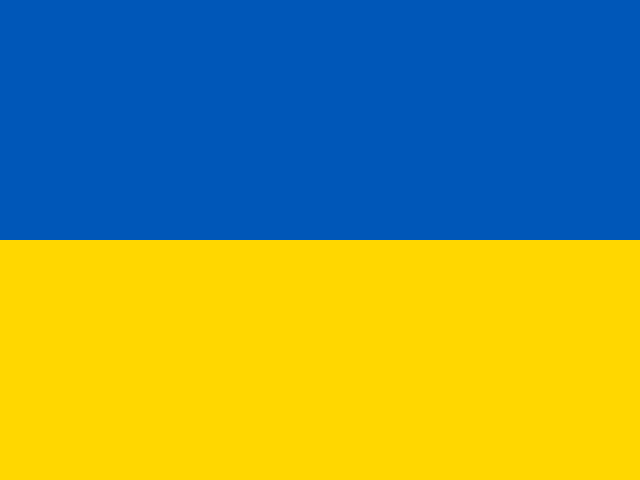
The flag of Ukraine consists of two horizontal bands of equal size in blue and yellow, symbolizing the country's natural landscape and agricultural wealth. The blue represents the vast, clear sky and a commitment to peace, while the yellow signifies the golden wheat fields that have historically made the region known as the breadbasket of Europe. This simple design reflects the nation's harmony with nature and its long-standing identity as a land of prosperity and freedom.
Colors & Symbols
The top band is a vibrant azure blue, representing the sky, mountains, and the spiritual tranquility of the Ukrainian people. The bottom band is a golden yellow, signifying the sun, the harvest, and the wealth of the land. These colors have been associated with the territory since the medieval period and were standardized to represent the sky over wheat fields.
Adopted 1992
Proportions 2:3
Download
Country Statistics
Capital Kyiv
Population 33M
Region Europe
ISO-2 UA
Neighboring Flags
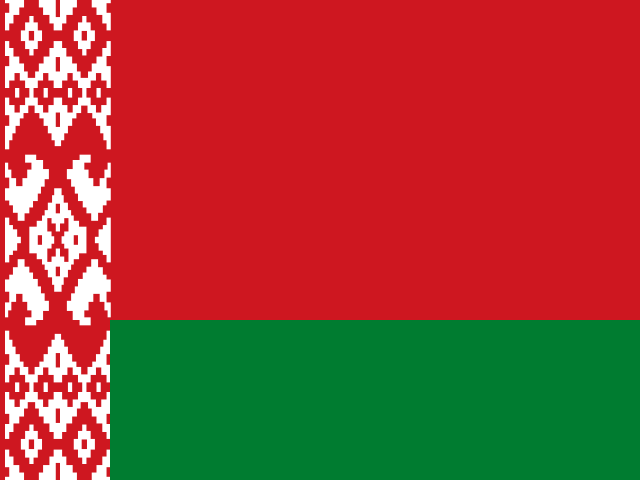
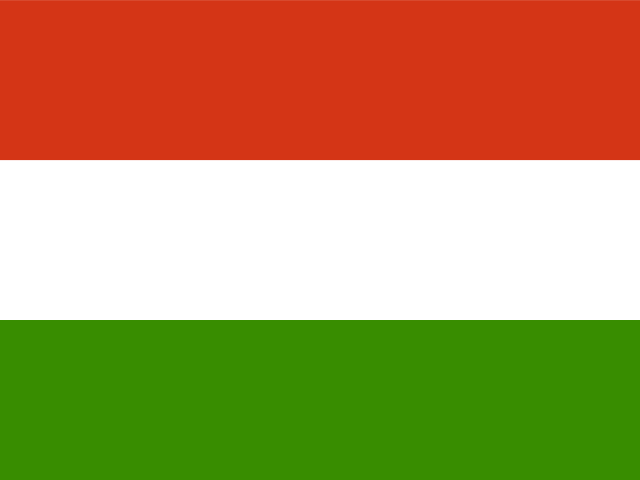
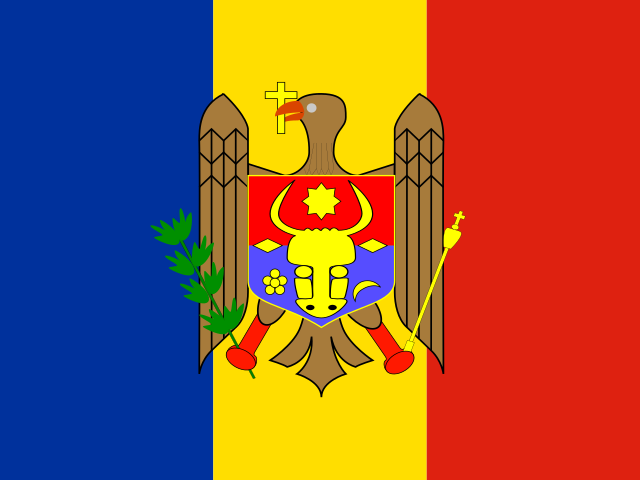

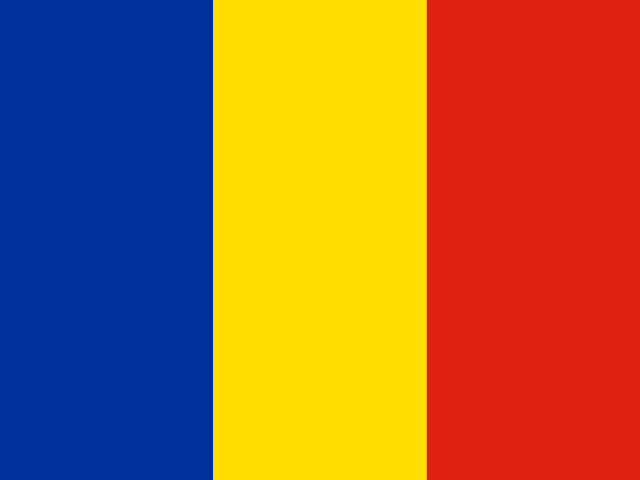

Flag History
The blue and yellow color scheme has roots in the 12th century, appearing on the heraldic coat of arms of the Kingdom of Galicia-Volhynia. The modern bicolour flag was first flown during the 1848 Spring of Nations in Lviv and later served as the national flag of the Ukrainian People's Republic starting in 1917. After being suppressed and banned during the Soviet era in favor of various red flags, the blue and yellow banner was officially restored following the nation's independence.
Frequently Asked Questions
Ukraine's current flag was officially adopted on 1992.
Ukraine's flag has an official proportion of 2:3.
The blue band represents the clear sky and peace, while the yellow band represents golden wheat fields and the prosperity of the land.
The current blue and yellow bicolour was officially adopted by the Ukrainian parliament on January 28, 1992.
The official proportions of the national flag are defined by a width to length ratio of 2:3.
During the Soviet era, the blue and yellow flag was replaced by a red flag featuring a hammer, sickle, and a light blue stripe at the bottom.
The blue is positioned on top to depict the sky above the fields of grain, creating a visual representation of the Ukrainian landscape.