
Flags of the World
Browse all country flags

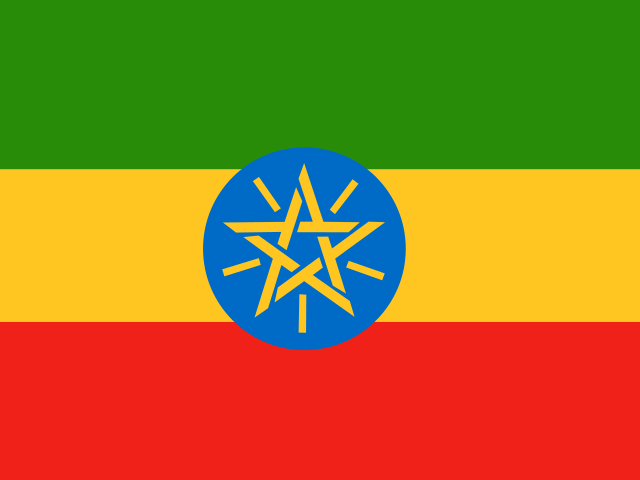
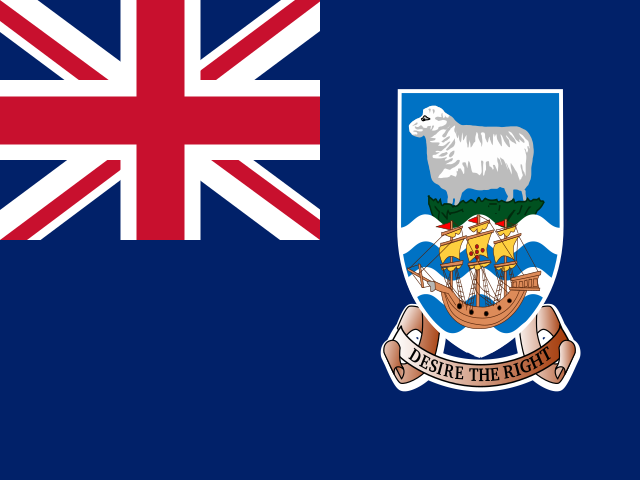
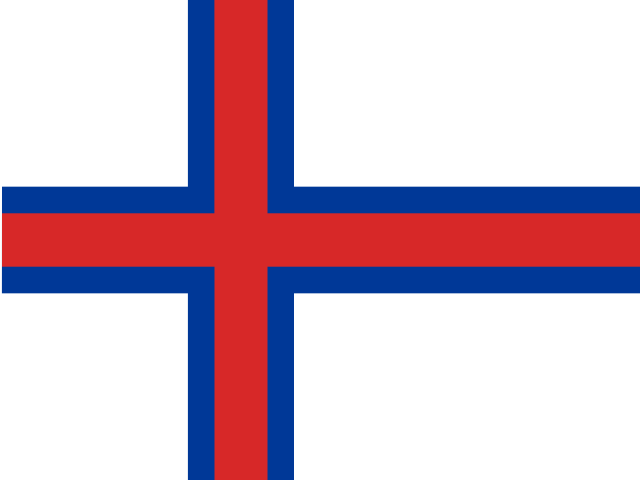
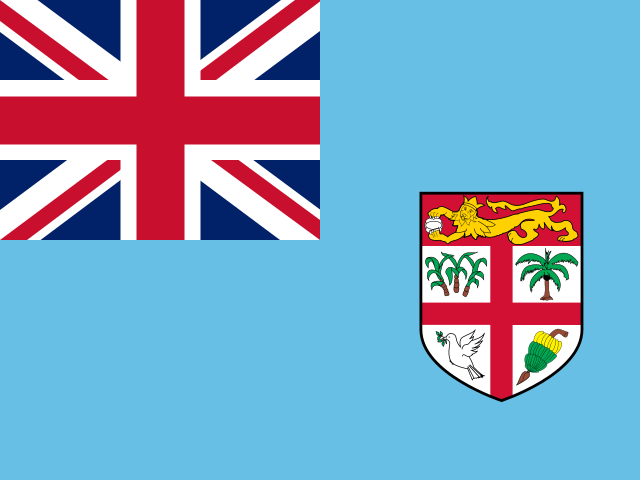
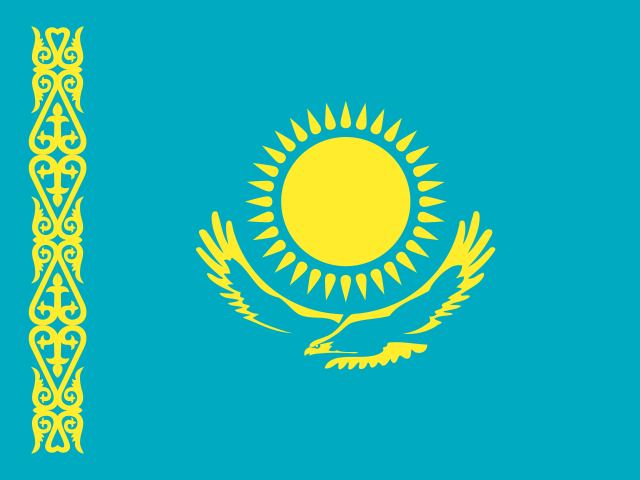
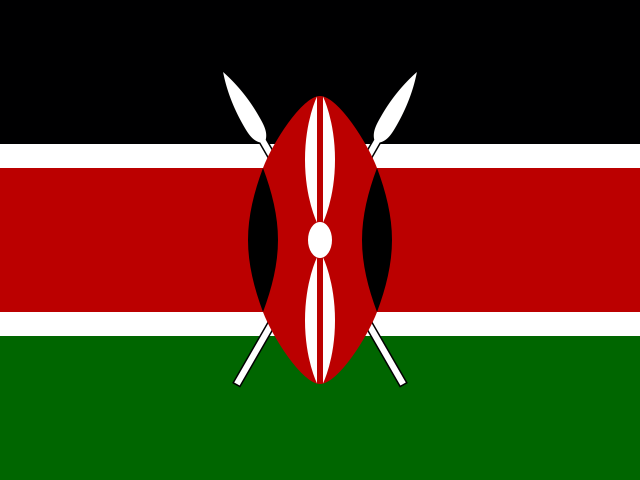
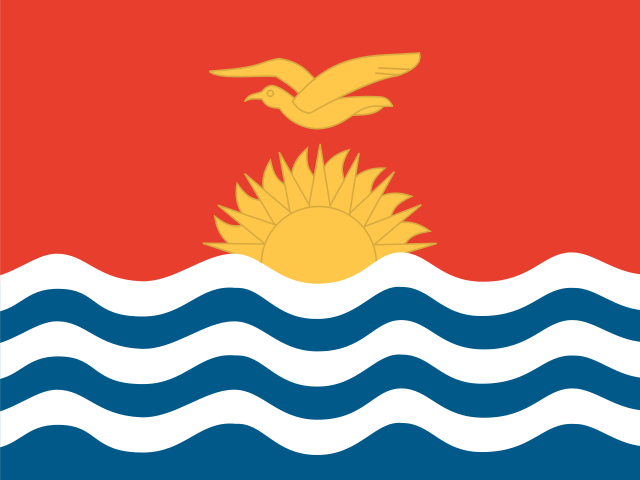
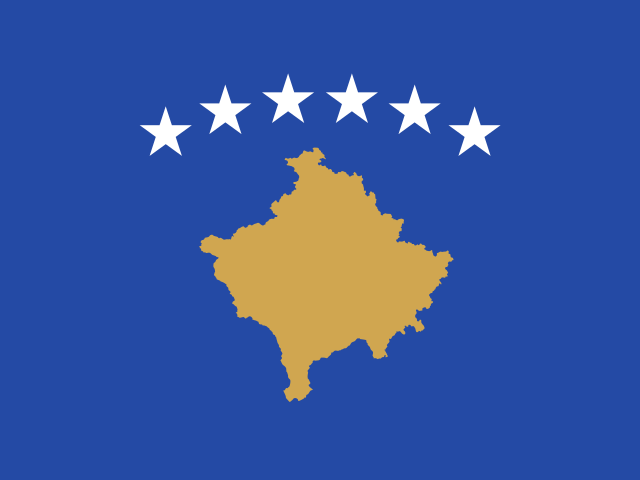
No results found for ""
Frequently Asked Questions
There are 195 sovereign national flags recognized by the United Nations. This total includes the 193 member states and two permanent observer states, the Holy See and Palestine. While other territories and de facto nations have flags, these 195 represent the internationally recognized sovereign community.
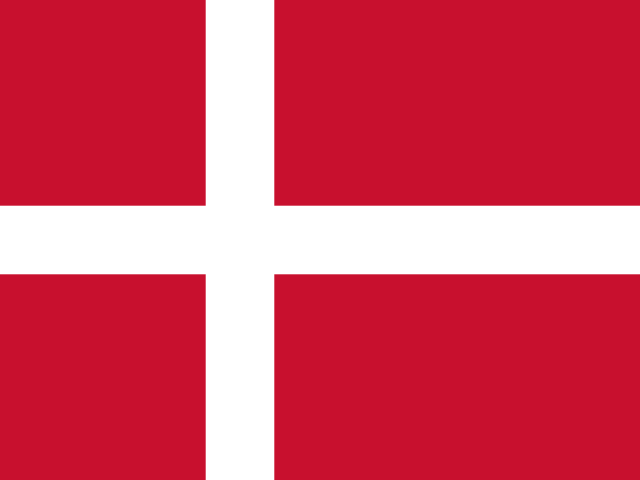
Denmark holds the record for the oldest continuously used national flag, known as the Dannebrog. According to legend, it fell from the sky during a battle in 1219. Historical evidence confirms its use by Danish kings since the 14th century, predating most other national symbols by hundreds of years.
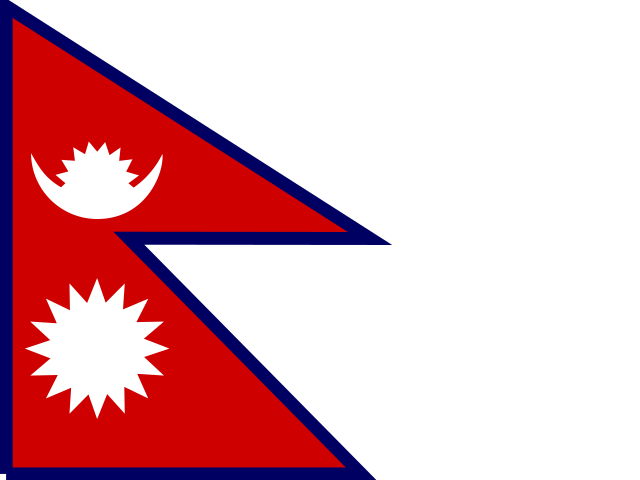
Nepal's flag is the only non-quadrilateral national flag in the world, featuring a unique double-pennon shape. The two stacked triangles represent the peaks of the Himalayan Mountains and the country's two primary religions, Hinduism and Buddhism. Its crimson color symbolizes bravery and the national flower, the rhododendron.
Red is the most common color, appearing on approximately 77 percent of the world's national flags. It traditionally symbolizes bravery, revolution, or the blood shed for independence. White and blue follow as the next most frequent colors, often representing peace, purity, or the surrounding seas and skies.
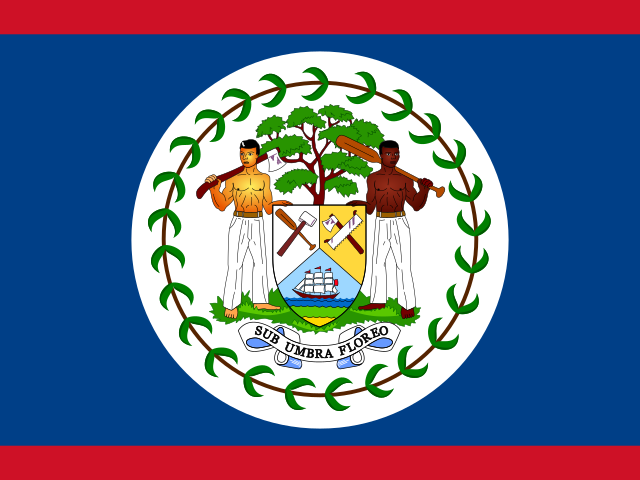
The flag of Belize holds the record for the most colors, featuring 12 distinct colors and shades. This complexity is due to its central coat of arms, which depicts two woodcutters, a mahogany tree, and various tools. It is one of the few national flags to prominently feature human figures.
Vexillology is the scientific study of the history, symbolism, and usage of flags. The term was coined in 1957 by Whitney Smith and is derived from the Latin word 'vexillum,' meaning a military banner. Vexillologists analyze design principles to understand how flags communicate national identity and heritage.
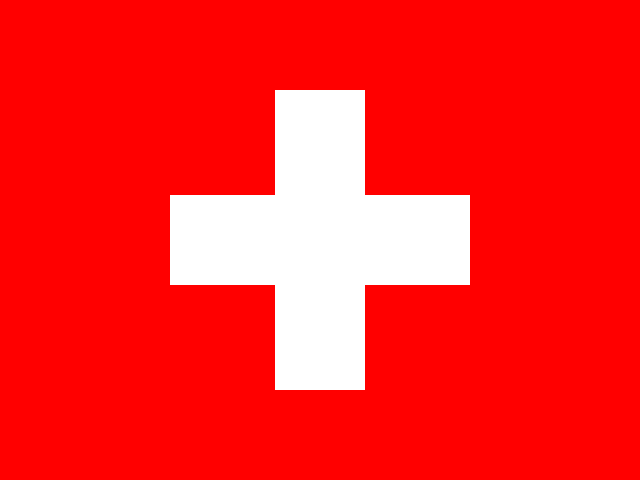
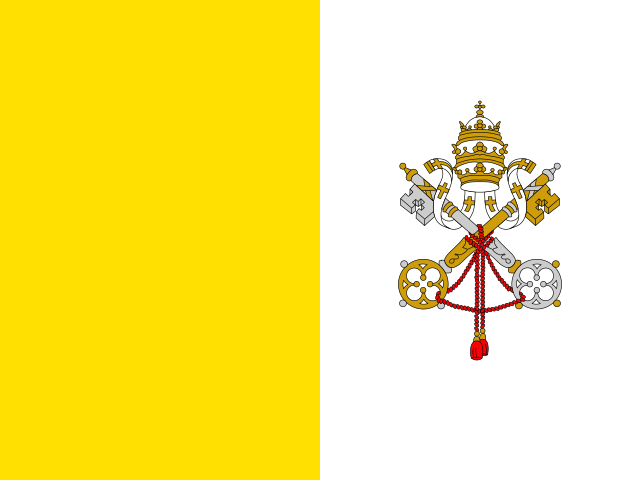
Only two sovereign countries, Switzerland and Vatican City, have square national flags rather than the standard rectangular format. Most other flags follow a variety of proportions, typically 2:3 or 1:2. The civil and state flags of Switzerland are famously square, a shape derived from medieval military banners.